



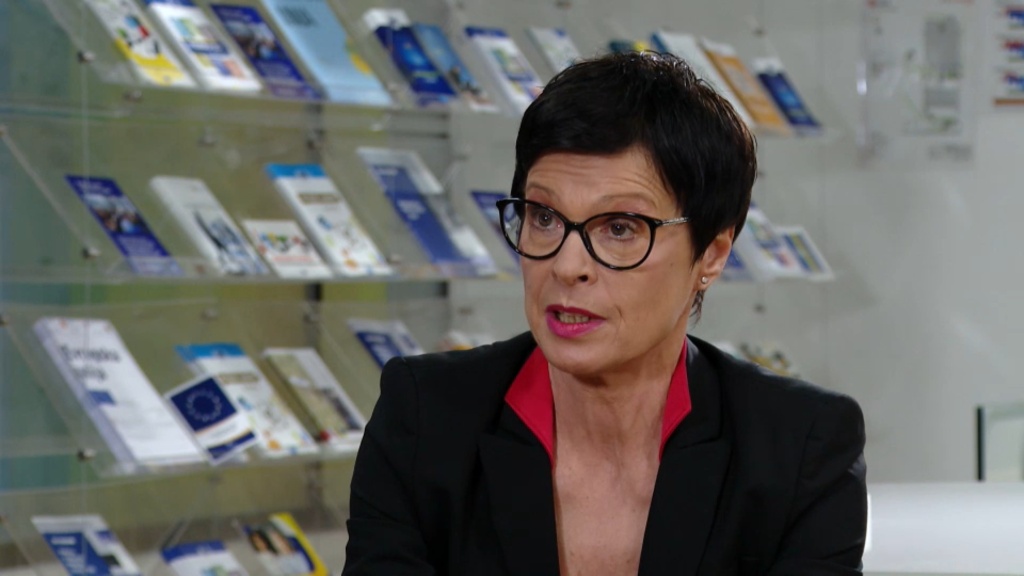
European Commissioner for Enlargement Marta Kos said that reports of violence during recent protests in Serbia are deeply concerning.
 „Oni su silovateljsko-sektaška lista”: Šta piše u izveštaju o TV Informer zbog kojeg je Vučićević napao analitičarku REM-a
  Dragojlo o intervjuu sa članom SNS: Marjanovićeva ispovest razara partokratiju SNS-a iz prve ruke
  Ratko Femić: Dobili smo okupacionog, oktroisanog urednika
  Bojana Anđelić, izvršna urednica Nova.rs: Umorni smo, ali rešeni da istrajemo
  Savet REM-a nije doneo nijednu odluku po prijavama protiv Informera
 European Commissioner for Enlargement Marta Kos said that reports of violence during recent protests in Serbia are deeply concerning.
Civil society warns of increasingly dangerous smear campaigns against media workers, the consequences of which can seriously threaten their safety. These attacks come from the highest public positions in Serbia. President Vučić's statement, which demands that Veran Matić apologize to the people who were accused of murdering journalist Slavko Ćuruvija and "take them a bottle of wine", represents an unequivocal and dangerous political message: this kind of targeting and calling for revenge against those who fight for truth and justice is once again allowed in Serbia.
Journalists and media associations, members of the Permanent Working Group for the Safety of Journalists (SRG), condemn the statement of the President of the Republic of Serbia, Aleksandar Vučić, which threatens the safety of Veran Matić, member of the SRG and Chairman of the Association of Independent Electronic Media (ANEM).
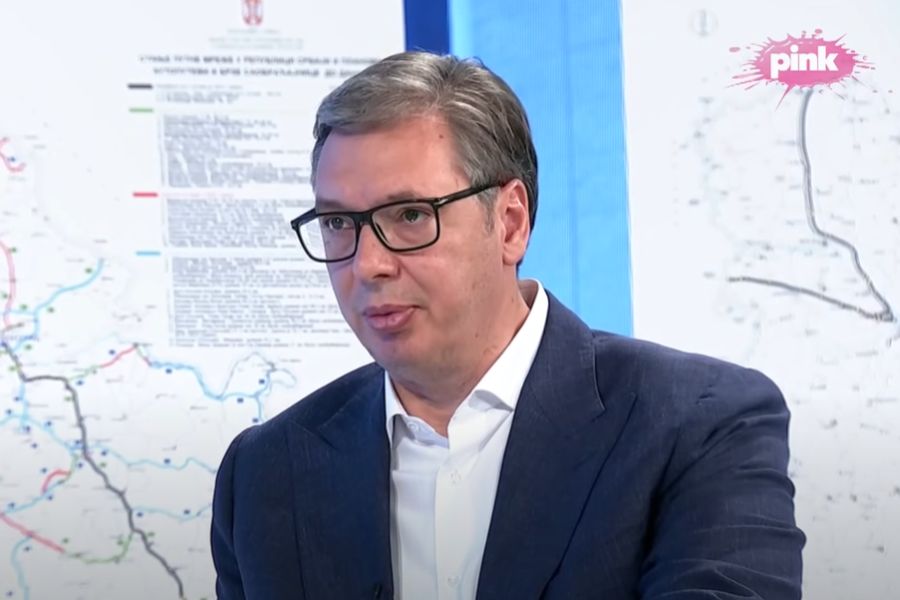
President Aleksandar Vučić said that those who were "convicted because of Veran Matić" should be erased from the records, and that he should apologize to them. Matić sees the president's statement as giving the green light for all those accused of attacking and killing journalists to "turn to him to pay for that." That is why he asked the police to assess his safety.
The SafeJournalists Network and the Media Freedom Rapid Response (MFRR) platform express deep concern and solidarity with over 200 journalists and media workers affected by the sudden announcement of the closure of Al Jazeera Balkans after 14 years of continuous operation.
The undersigned journalists and media freedom organisations are profoundly appalled by the new attacks against journalists across Serbia, many of which are perpetrated by state representatives and law enforcement authorities. The situation of emergency of media freedom in Serbia – as assessed by the Media Freedom Rapid Response (MFRR) during its April solidarity mission – has not only persisted but significantly deteriorated at alarming speed, despite our repeated warnings and recommendations.
Process to appoint new members of media regulator council was again conducted in non-transparent and discriminatory manner
United Group employees were informed late on Monday night that two of the group’s most senior officials were stepping down from their post.
United Group employees were informed late on Monday night that two of the group’s most senior officials were stepping down from their post.
In a letter addressed to the Serbian Parliament, 78 authorized nominators and 16 candidates announced their decision to withdraw from the process of electing members of the Regulatory Authority for Electronic Media (REM) Council, the Independent Journalists’ Association of Serbia (NUNS) said in a press release.
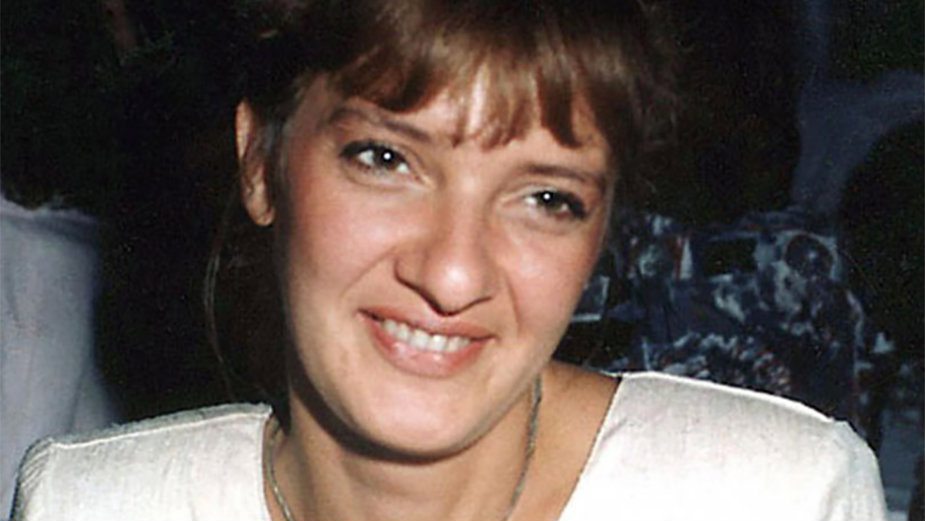
What if the dogs of war kill you and then fake it as if you had committed suicide? What if a dirty machine was used to cast a shadow over your truthful articles to prove that something was mentally wrong with you? It would stick. You are a woman. What if the blood-thirsty hellhounds of the past, so alive among us, set up a scenario where the only outcome is that the investigation of your death becomes obsolete by the passage of time?
On 3 June 2025, the EFJ General Assembly adopted a resolution expressing deep concern over the increasing number of attacks, threats, and pressure on journalists in Serbia. The resolution was proposed by the Independent Journalists’ Association of Serbia (NUNS) and the Trade Union of Culture, Arts, and Media “Nezavisnost.”

What journalists called a “witch hunt” atmosphere against government critics in Serbia one year ago has since escalated into a rise in attacks and threats against the press, following a deadly railway station collapse in November 2024 that triggered a widespread anti-corruption movement.
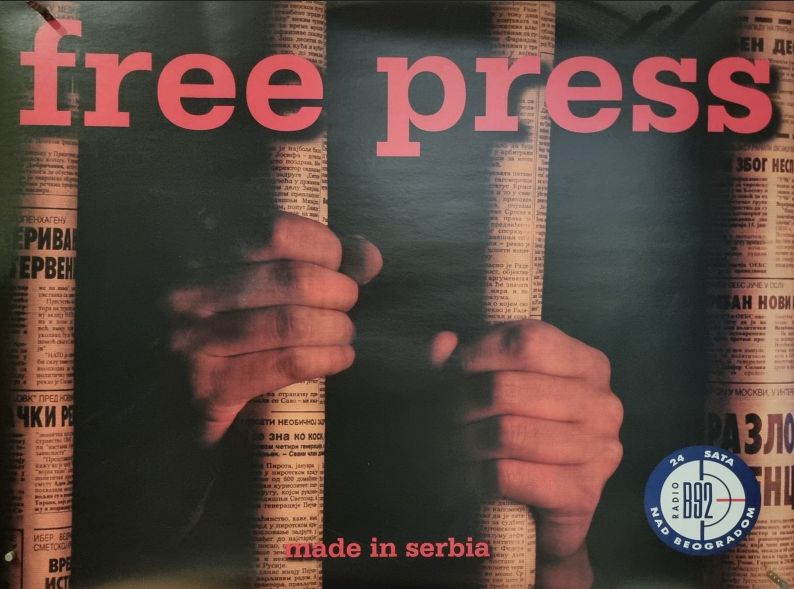
Amendments to laws concerning journalism have been expected for years. Working groups, inclusive, were formed. Then, they were disbanded, and the ministry wrote its own versions of the changes. Afterwards, the ministry invited representatives of journalists' associations and media associations to an urgent meeting, to agree with the ministry's visions. When asked by the members of the working groups, who wrote the texts of changes that are completely different from what was discussed at the working groups, they were answered that the proposals came from Brussels.
This article is part of a series published by IPI and written by expert guest contributors from across Europe on different threats facing media freedom and independent journalism. This article focuses on the recent increase of pressure and violence against journalists in Serbia amidst the government response to nationwide student-led protests. The views of the author do not necessarily reflect those of IPI.
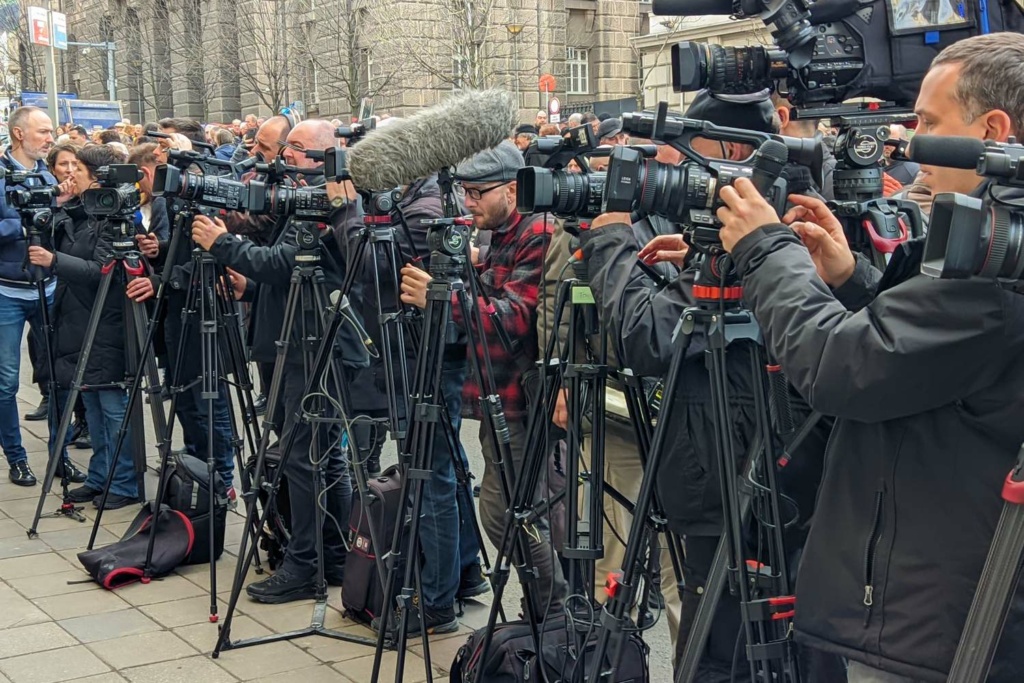
On the eve of World Press Freedom Day, the Media Freedom Rapid Response (MFRR) today shares alarming findings about the deteriorating state of press and media freedom in Serbia. The MFRR solidarity mission to Belgrade and Novi Sad, conducted on 7-9 April, alongside ongoing monitoring, revealed a state of emergency – one that demands urgent attention and action from national authorities and the EU.

In just one day, a series of dangerous attacks on journalists and the media took place, which will increasingly characterize the life of journalists in Serbia. In the daily repression in which we live and work, these are no longer isolated incidents but a rule that justifiably causes great concern.
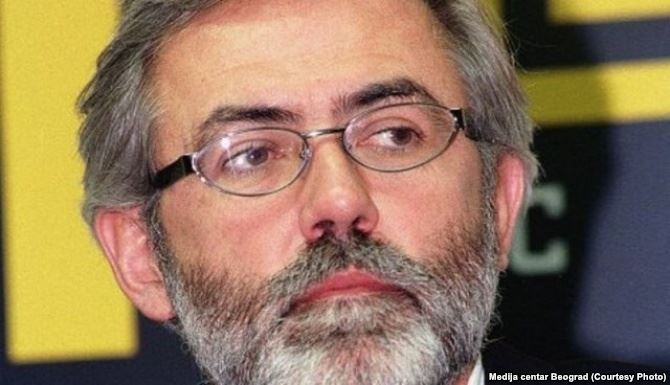
Slavko Ćuruvija is back on trial. On the very day marking his death.
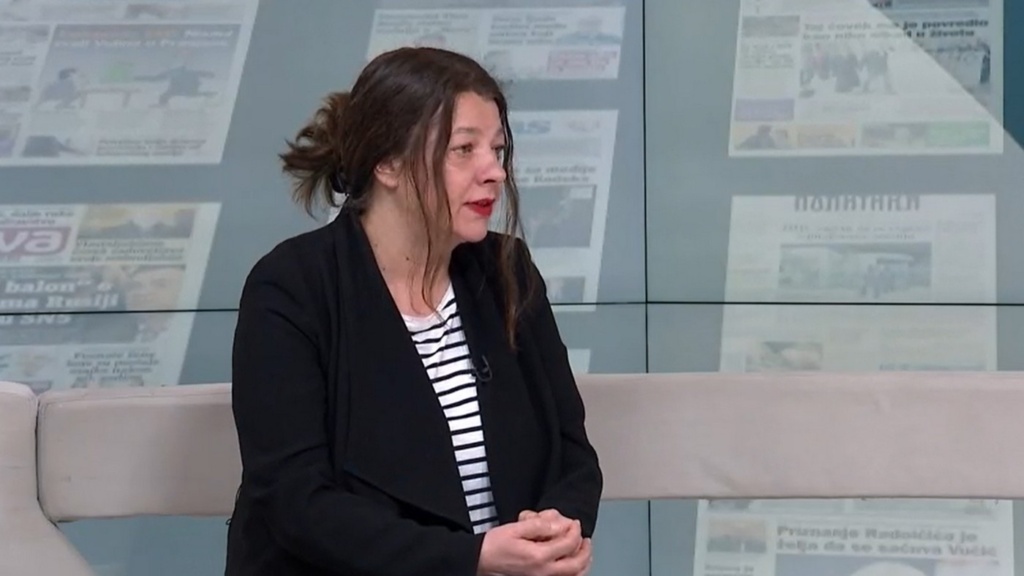
The authorities are pushing citizens to take justice into their own hands, trying to fight the evil that attacks them, deems Ivana Stevanovic of the "Slavko Ćuruvija" Foundation. This also applies to the regime media, she added, which "we can no longer even call media, because they have become a weapon."
Two journalists from Balkan Investigative Reporting Network (BIRN), an award-winning Serbian network of investigative journalists, were targeted with NSO Group’s Pegasus spyware last month, a new Amnesty International investigation reveals.