







One of the summer’s most violent attacks on Serbian journalists occurred on 13 August. While covering a protest outside the local headquarters of the ruling Serbian Progressive Party (SNS) in the northern city of Novi Sad, the editor-in-chief of the news website Razglas, Zarko Bogosavljevic, and a journalist from Novi Sad 192, Nikola Bilic, were beaten by SNS supporters with metal bars. The attack was so violent that Nikola Bilic, who suffered head injuries, was sent to the emergency room.
Between 1 July and 25 August alone, RSF recorded 34 physical attacks on Serbian journalists, photojournalists and video reporters. The vast majority were covering anti-corruption demonstrations sparked by the deadly collapse of a railway station in Novi Sad in November 2024.
Of the 34 incidents, 14 were committed by violent supporters of the SNS, the party of President Aleksandar Vucic, who also attacked many peaceful protesters as well as some police officers. The other 20 assaults were carried out by law enforcement officers.
The number of attacks over the past two months surpasses all annual totals of violence against media professionals in Serbia since at least 2020, according to RSF data, and is double the number of cases recorded in 2024 (17). The current annual tally for 2025 stands at 65 cases – an unprecedented level judging by the records of the Independent Journalists’ Association (NUNS) kept since 2008. Although EU Enlargement Commissioner Marta Kos condemned the assaults in mid-August, she was swiftly rebuked by Serbian Parliament Speaker Ana Brnabic, a member of the SNS, who told her to remain “silent.”
“On average, one Serbian media professional is physically assaulted every two days. Thirty-four attacks in less than two months! This is intolerable. Do we have to wait until a reporter is even more seriously injured or killed? In the face of the Serbian authorities’ passivity – and potential complicity – the EU must act. We especially call on the European Parliament and influential member states such as Germany and France to firmly condemn the record number of attacks on Serbian reporters. The Serbian government must understand that this backsliding is incompatible with its stated ambition to join the EU.“ (Pavol Szalai, Head of the RSF EU-Balkans Desk)
Serbian journalists are regularly threatened or assaulted with metal bars, bricks and stones by violent political supporters, while the police arbitrarily spray them with tear gas. On several occasions, police failed to intervene to protect journalists as they were being attacked by violent protestors.
These attacks, as well as numerous death threats against journalists, are incited by the frequent declarations of President Aleksandar Vucic and the coverage of the events by pro-government tabloids. Since December 2024, they have been making unfounded accusations that the protestors and certain independent media outlets are orchestrating a “coup” financed by Western countries. At the end of June, the head of state even branded the N1 and Nova S television channels, which courageously cover the protests despite the great danger, as “terrorists.”
Press freedom under assault
Since the beginning of the anti-corruption protests, RSF has repeatedly warned about the rise in violence against journalists and political pressure on the media – through public statements, at a demonstration in Paris, and in its contribution to the EU’s Rule of Law report on Serbia. RSF has also condemned the authorities’ preference for supporting Russian propaganda instead of fostering media freedom.
Ranked 96th out of 180 countries and territories in the RSF 2025 World Press Freedom Index, Serbia holds the second-to-last position in the EU-Balkans zone.
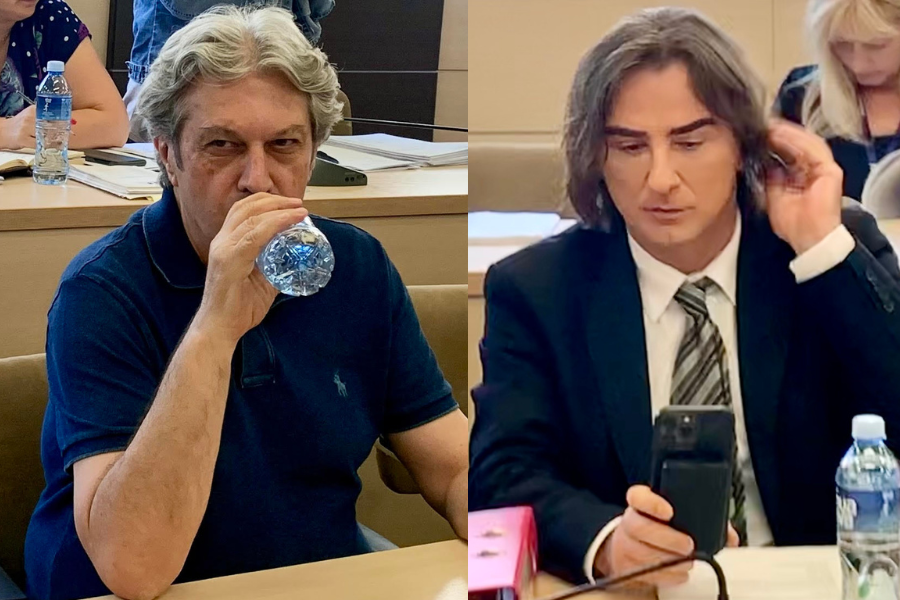 Red propagande, red rijalitija: REM pokušava da izbaci obavezu prikazivanja dečjeg, obrazovnog i kulturnog programa
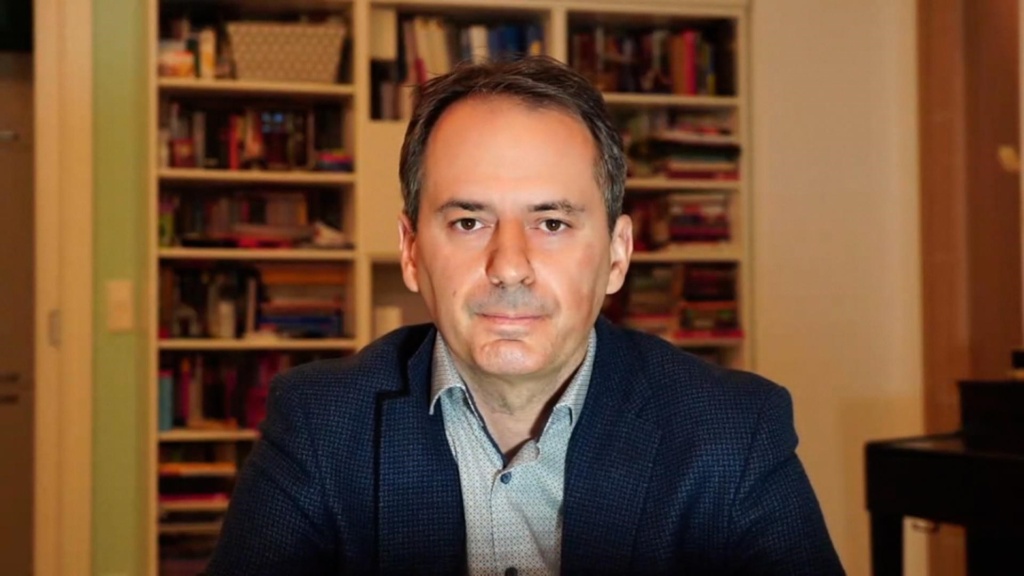 Grozev: Vrednost FSB izveštaja o zvučnom oružju je nula, duboko je uvredljiv za svakog ko kritički razmišlja
 Ubistvo u Ulici Slavka Ćuruvije
Ostavljanje komentara je privremeno obustavljeno iz tehničkih razloga. Hvala na razumevanju.