



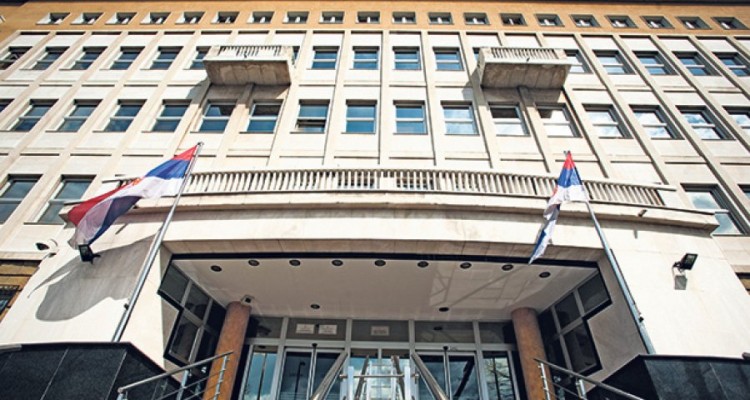
The verdict in the trial for the murder of journalist and publisher Slavko Ćuruvija will be presented on Friday 5th April (not on 10th April, which we previously reported due to a technical error in the court's call).
 Bivši pripadnici Službe tvrde da Fondacija Ćuruvija vodi medijski progon protiv njih, advokatica traži da sud odbaci tužbe
  Surdulica: Izveštavanje u neprijateljskoj atmosferi, pod pritiscima, pretnjama i uvredama
  „Klasično zastrašivanje“: Četvoro novinara KRIK-a na optuženičkoj klupi pod pretnjom kazne zatvora
  Tabela „živih mrtvaca“: Prilagodi se ili traži novi posao?
  Savet za štampu: 25 medija prekršilo Kodeks učestvujući u kampanji koju je protiv Matića pokrenulo „Zlo doba“
 The verdict in the trial for the murder of journalist and publisher Slavko Ćuruvija will be presented on Friday 5th April (not on 10th April, which we previously reported due to a technical error in the court's call).
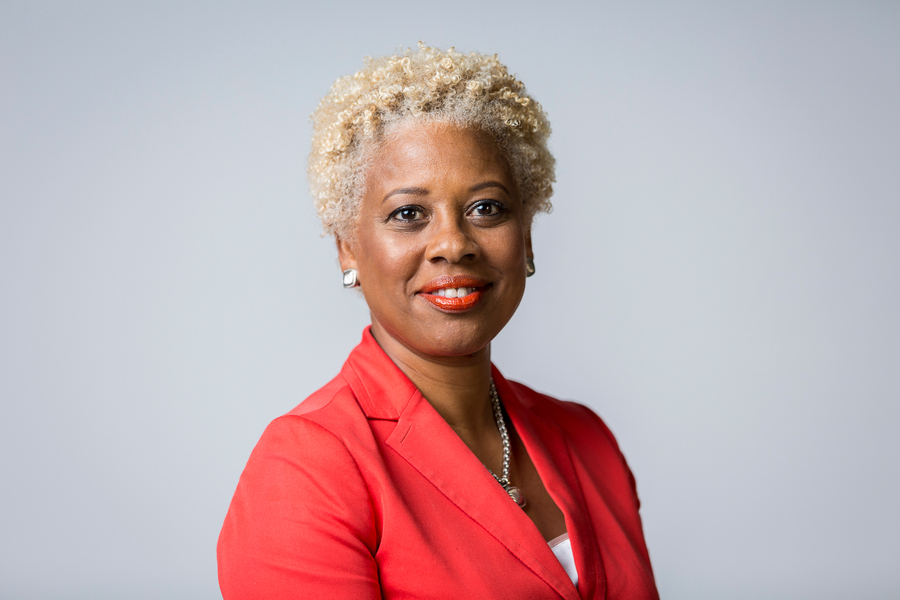
Dr. Michelle Ferrier, the Dean of the School of Journalism & Graphic Communication at Florida Agricultural & Mechanical University in Tallahassee, Florida, and the founder of TrollBusters.com, a platform that provides help to female journalists in distress, speaks about impacts that online thretes may have on journalists and to free and objective reporting.
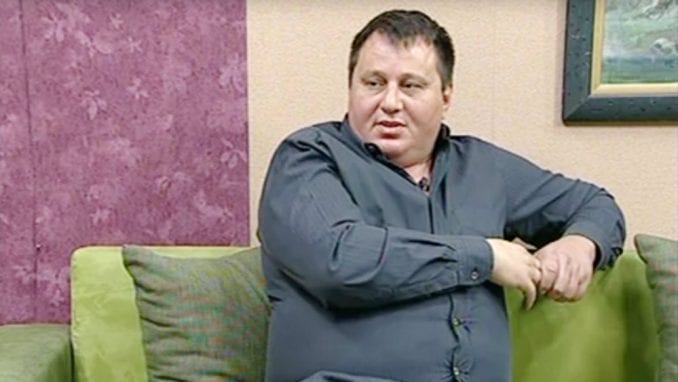
Srđan Milovanović, a former co-owner of cable television network Kopernikus, has paid 180 million euros to purchase two national television companies – TV Prva and TV O2 – which were previously owned by Greece’s Antenna group.
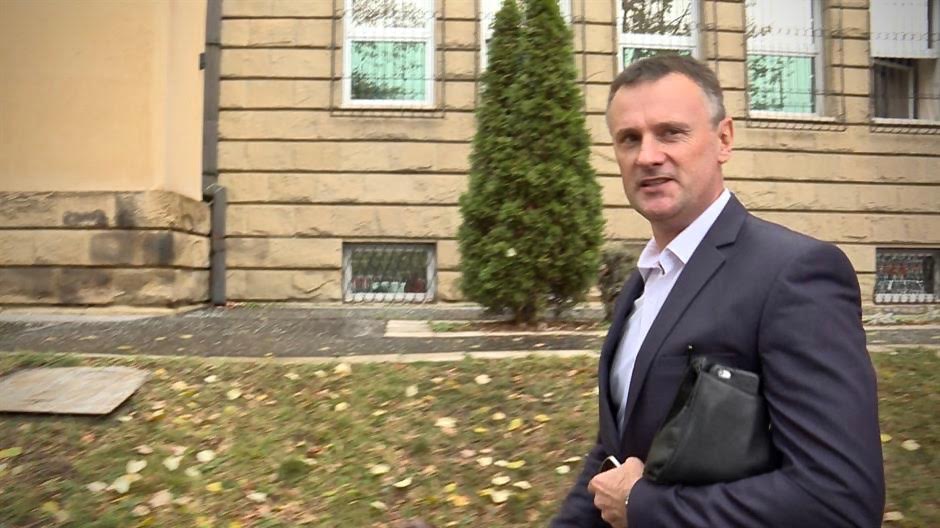
Police Inspector Dragan Kecman, who spent 16 years investigating the murder of Slavko Ćuruvija, a journalist and owner of newspapers Dnevni Telegraf and Evropljanin, uncovered some of the key evidence and filed a criminal report against the defendants, said in his testimony before the court that the former State Security Service had for many years considered Ćuruvija “State enemy number 1”.
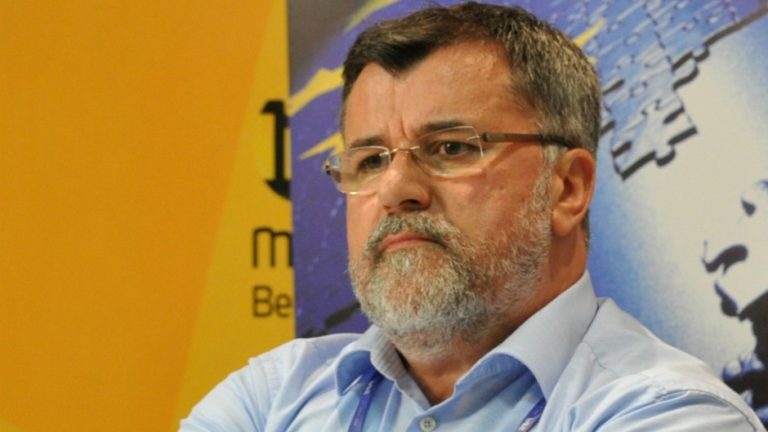
President of the Commission for the Investigation of Murders of Journalists, Veran Matić, has again expressed doubt over whether the goal of the court case for the murder of journalist Slavko Ćuruvija is to confirm the truth about that event.
Veran Matić, president of the Commission for the Investigation of the Murder of Journalists in Serbia, assessed that the progression of the trial for the murder of journalist Slavko Ćuruvija, which has been ongoing for more than three years, suggests the acquittal of those accused of the murder, which took place in April 1999.
The Government of the Republic of Serbia has brought the formal decision to establish a Working Group for drafting the new media strategy, and the Coordination Group for Cooperation with the Media.
Journalist Stefan Cvetković from the northern Serbian town of Bela Crkva was found on the morning of 15th June after having disappeared on Wednesday evening, while his car was found with the door open and a wrist watch beside the car on the street, which prompted suspicion among the public that he had been kidnapped. Further fuelling these doubts was the fact that Cvetković reported having received several verbal threats and physical attacks in recent years, while he has recently been investigating the murder of Kosovo Serb opposition leader Oliver Ivanović.
As revealed by portal Cenzolovka, the Media Centre, a company owned by one of the two largest journalists’ associations in Serbia, the Independent Journalists Association of Serbia (NUNS), borrowed around €50,000 from current opposition politician, businessman and former Belgrade mayor Dragan Đilas. According to former Anti-Corruption Council president Verica Barać, Đilas controlled the media in Serbia thanks to his huge influence on the advertising market, especially while he was in power as a member of the Democratic Party.
In his draft report on Serbia to the European Parliament, rapporteur David McAllister reiterated concerns over Serbia having not made progress in the area of freedom of media and expression, stressing that threats, violence and intimidation of journalists continue to be a concern.
Investigative journalist Stefan Cvetković, who disappeared last month, only to report to police two days later claiming to have been kidnapped and detained against his will in an unknown location, appeared before prosecutors who have filed criminal charges against him for making false claims. Cvetković later announced that he would present new evidence proving that he had been kidnapped.

Web site U pravu si! for journalists explains in simple and clear manner legal rights and obligations related to labor for media professionals. Guide in particular addresses media professionals unionizing.
After a stop was called to the process of developing the national media strategy at the end of April, it has been announced that a new strategy should be adopted by the end of this year.
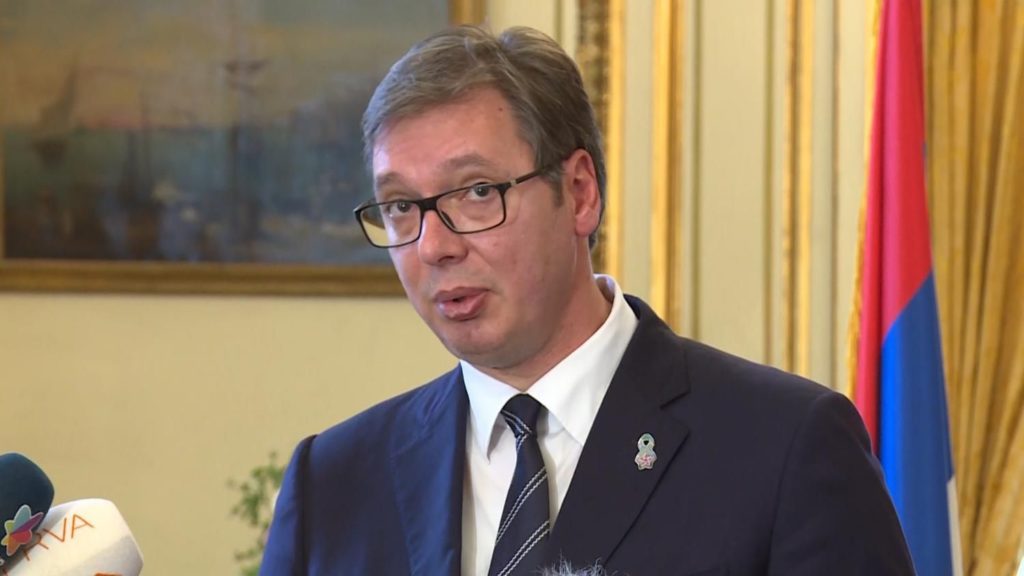
Serbian President Aleksandar Vučić said in an interview for Euronews that there have not been and will not be “horrific attacks and murders” in Serbia, like there have been in Slovakia, Malta and recently in Montenegro, where a journalist of newspaper Vijesti was injured.
A competition for project co-financing of the media saw the City of Belgrade grant the majority of funds approved through last year’s competition to pro-regime media outlets, some of which openly stated in project documentation that in return for that money they will promote local government success, writes research portal Pištaljka (Whistle).
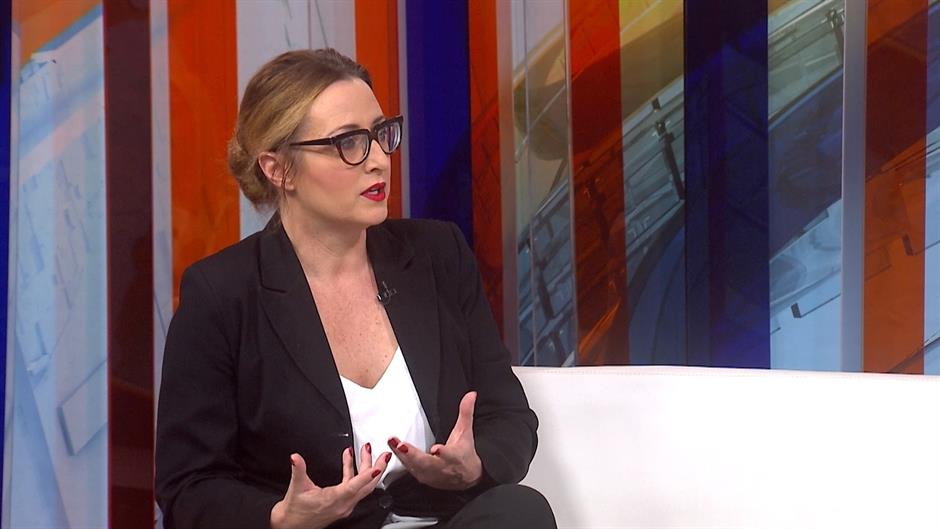
Police have arrested a 56-year-old man from Subotica, a town in northern Serbia, according to a warrant of the Higher Public Prosecutor's Office in Belgrade, on suspicion of threatening to kill journalist Tatjana Vojtehovski on Twitter.
The six largest media and journalists' associations in Serbia have withdrawn in protest from the Ministry of Culture and Information’s commissions for the co-funding media projects.
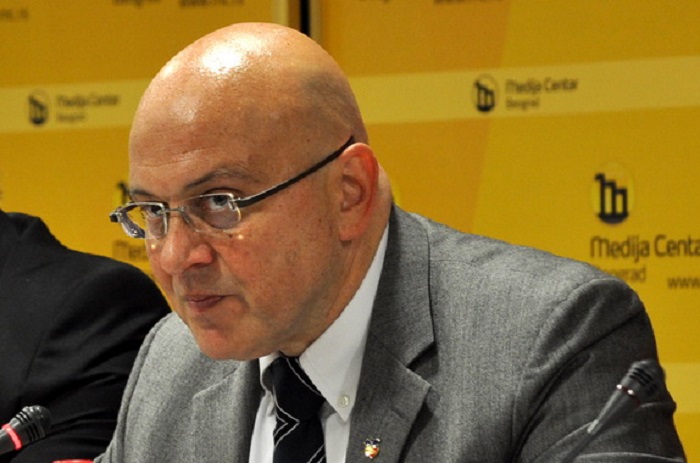
The drafting of the media strategy has not been returned to the start, rather work on it was halted in an attempt to ensure the inclusion all relevant media scene actors in the drafting of the strategy, announced Minister of Culture and Information Vladan Vukosavljević, adding that he did not feel accountable for the fact that this document has yet to be adopted.
Serbia has not made progress in the area of freedom of expression over the past 18 months, according to the recently published European Commission's Report on the EU integration progress of the Western Balkan countries. At the same time, organisation Reporters Without Borders states that Serbia has regressed on freedom of the media, while the report of IREX gave Serbia the lowest rating in its media sustainability index since measuring has started in 2000.
The drafting of the national media strategy has been halted following consultations between President Aleksandar Vučić and Prime Minister Ana Brnabić, announced Vučić’s media advisor Suzana Vasiljević.