




Taking a break between debates on laws, members of the Serbian National Assembly always find reasons to attack media outlets that are distinguished for their criticism of the government.
 Informer politizuje smrt studentkinje, bezobzirno objavljuje fotografije sa uviđaja i lične podatke žrtve
  Zorica Popović o zločinu nad novinarima u Boru: Sekirom na ljude?! Tad sam videla da su nas napale ubice
  Informer se širi Srbijom: Za potrebe lokalnih izbora, TV Lav plus postala regionalni propagandni centar
 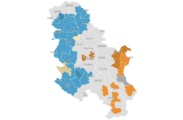 Zemlja preplavljena propagandom: Mapa lokalnih medija u vlasništvu novih/starih režimskih igrača
  Novi prorežimski mediji i lokalni izbori: S jedne strane Vučić i „naša porodica“, s druge „ružni, prljavi, zli“ blokaderi
 Taking a break between debates on laws, members of the Serbian National Assembly always find reasons to attack media outlets that are distinguished for their criticism of the government.
Prosecutor’s offices in Serbia have established 46 cases on the basis of criminal charges filed in response to attacks against journalists in the first half of 2021 alone, compared to a total of just 56 such cases throughout the whole of 2020.

According to the analysis based on sources of Reporters Without Borders (RSF), at least three Serbian local outlets are attacked by fake websites with the likely objective to undermine both the trust in the media and their revenues. As the court claims it cannot react, the new weapon for attacking independent journalists also spreads to Kosovo and North Macedonia.
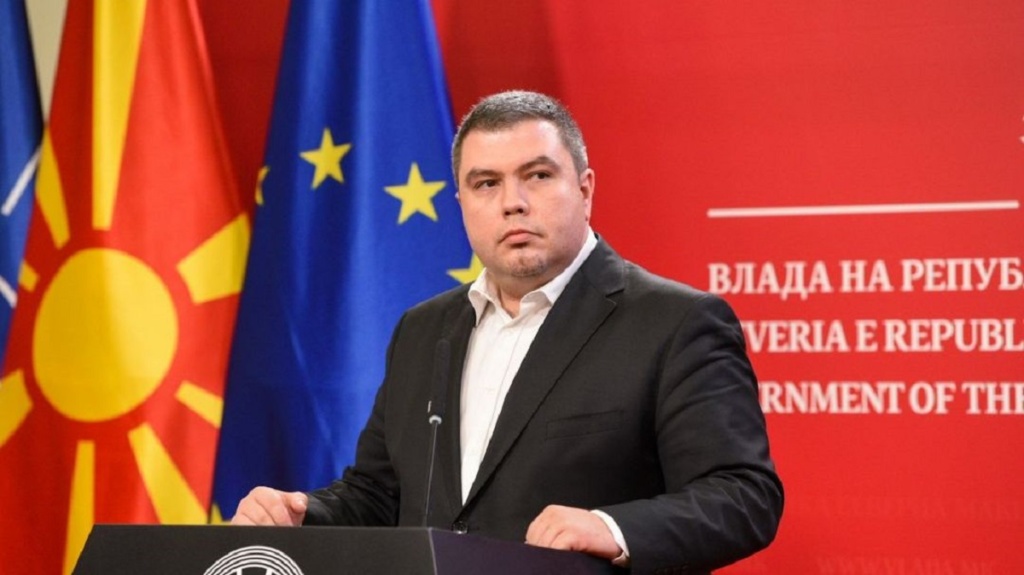
Attacks on journalists will now be treated with the same severity as attacks on police officers, North Macedonia’s Justice Ministry said, presenting draft changes it expects parliament to pass in autumn.

In a new study encompassing four main areas of risk to media pluralism, North Macedonia scored best out of six Balkan countries included in the analysis, while in several others good legal frameworks remain unenforced in practice.

In the wake of the “Pegasus Project” revelation that nearly 200 journalists around the world have been Pegasus spyware targets, Reporters Without Borders (RSF) has compiled recommendations for journalists who could themselves be the targets of those who buy this high-performance surveillance software.

The IPI global press freedom network today called for an immediate government inquiry into the alleged spyware attacks targeting journalists in Hungary using the Pegasus tool developed by the Israeli cybersecurity company NSO Group.

More than 180 journalists were discovered in a database of phone numbers designated for potential espionage, thanks to a leak of documents given to the Forbidden Stories journalistic collective and Amnesty International. The choice of targets for surveillance was made by clients of the Israeli company NSO Group, which specialises in the production of spyware that it sells to governments around the world. Its primary product, Pegasus, can compromise a mobile phone, extract all data from it and activate the microphone to record conversations.
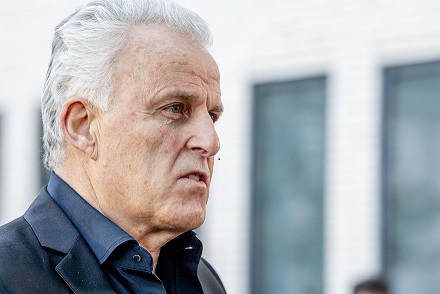
The International Press Institute (IPI) today expressed horror at the shooting and serious wounding of Dutch journalist Peter R. de Vries in Amsterdam and urged authorities to do all they can to ensure that all those responsible for both carrying out and possibly ordering the hit do not escape impunity.
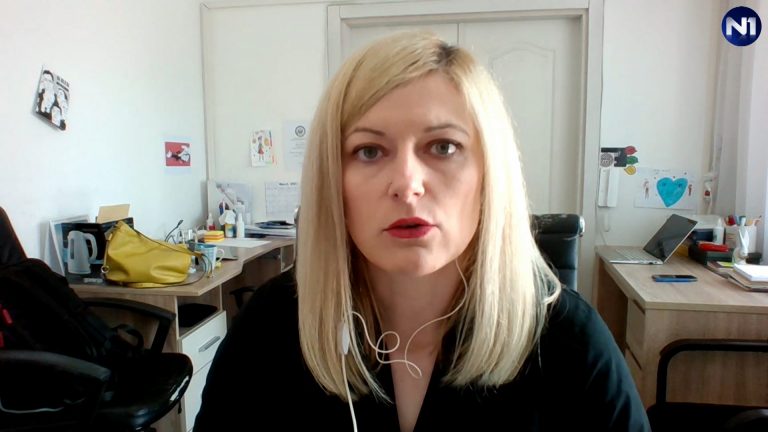
In March, when a reporter at Serbian investigative news site KRIK asked President Aleksandar Vučić at a press conference about the government’s alleged links to organized crime, governing party politicians and pro-government media outlets turned the claim back on KRIK.

Reporters Without Borders (RSF) is publishing a gallery of grim portraits, those of 37 heads of state or government who crack down massively on press freedom. Some of these “predators of press freedom” have been operating for more than two decades while others have just joined the blacklist, which for the first time includes two women and a European predator.
As the Covid-19 pandemic undermines journalism at a growing pace, the Forum on Information and Democracy is publishing its recommendations under the title A New Deal for Journalism. The report presents a plan to guarantee up to 0.1% of GDP a year into journalism to safeguard its social function for the future.
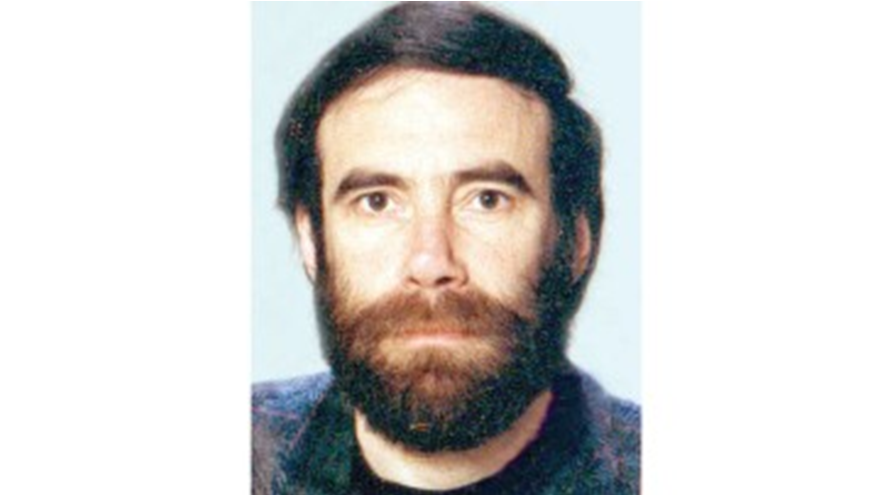
IPI renews call for justice on 20th anniversary of killing
When I speak about resolving the case of the murdered colleague, journalist Milan Pantić, in this case I find it hard to see the individual as the exclusive executor, and the concrete privatization as a motive for his liquidation. Since 2000s onwards, in all processes of privatization happening in this period of democratic changes, one could see a reflection of the state’s attitude (namely, those of its representatives holding the political power at the time) toward the citizens and society as a whole. Having in mind the predominantly negative undertone of this relation, the question arises whether that particular individual was stronger than the state at the given moment?
Reporters Without Borders (RSF) urges respect for judicial independence in Serbia and Montenegro, where decisions by prosecutors general could prevent justice being rendered in emblematic cases involving two investigative journalists whose reporting has annoyed government officials. The judicial authorities must stand up to political pressure, RSF says.

The Media Freedom Rapid Response (MFRR) is deeply concerned by the lawsuit targeted at a journalist and the editor-in-chief of the Network for Investigation of Crime and Corruption (KRIK) by the director of Serbia’s Security-Information Agency (BIA).
In March, the Crime and Corruption Reporting Network, a leading investigative news nonprofit in Serbia, was forced to put its stories on hold for two full weeks to deal with a coordinated smear campaign mounted by pro-government tabloids in Belgrade. In an increasingly common and brazen tactic, outlets that support Serbia’s authoritarian president, Aleksandar Vučić, falsely accused the GIJN member,…
New rules part of effort to undermine independent Russian media
The International Press Institute (IPI) today joined ARTICLE 19 and the Media Freedom Rapid Response (MFRR) in launching a report detailing the findings of a recent online fact-finding mission to Serbia.
The Washington Post revealed on Friday that last year, the Department of Justice under former President Trump obtained the phone records of three of its national security journalists, with a subpoena that would likely have been approved by former Attorney General William Barr directly.