



In the build up and during the course of the general elections in Serbia, which were held on 21st June, physical and verbal attacks against journalists were recorded, as well as intimidation and discrimination.
 „Oni su silovateljsko-sektaška lista”: Šta piše u izveštaju o TV Informer zbog kojeg je Vučićević napao analitičarku REM-a
  Dragojlo o intervjuu sa članom SNS: Marjanovićeva ispovest razara partokratiju SNS-a iz prve ruke
  Bojana Anđelić, izvršna urednica Nova.rs: Umorni smo, ali rešeni da istrajemo
  Ratko Femić: Dobili smo okupacionog, oktroisanog urednika
  Savet REM-a nije doneo nijednu odluku po prijavama protiv Informera
 In the build up and during the course of the general elections in Serbia, which were held on 21st June, physical and verbal attacks against journalists were recorded, as well as intimidation and discrimination.
The Slavko Curuvija Foundation announced that it expects the Appellate Court to confirm the first-instance verdict for the 1999 murder of journalist and publisher Slavko Ćuruvija, with which four former members of the State Security service were sentenced to a total of 100 years in prison.
In almost every third funding contest for co-financing media content in 2019, the money was awarded to media that violated the Journalists' Code, once or on multiple occasions, according to research carried out by the Press Council.
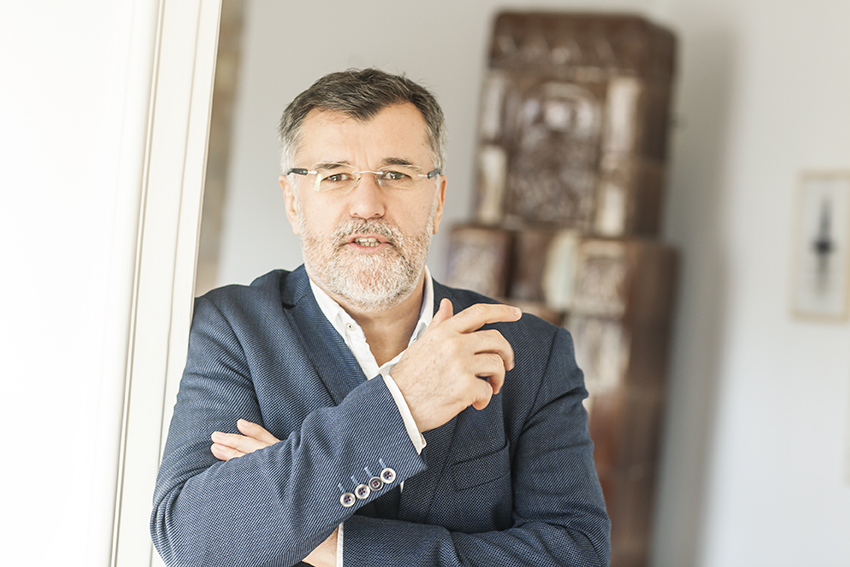
Opting for a retrial and a new evidentiary procedure would be a paradox - to prove what has already been proven. In fact, the point would be for all first-instance convicts to remain at large, Veran Matic, Chairman of the Commission for investigating the killings of journalists, told Cenzolovka, reiterating that the deep state governed by elements of the secret services is very strong

Swift investigation needed alongside reduction in hostilities against media
Serbian taxpayers are unwittingly paying for an army of bots to promote the country’s ruling party and denigrate its rivals.
An unknown man confiscated the mobile phone of Bojana Pavlović, a journalist of investigative journalism portal KRIK, after she took photographs of Danilo Vučić, the son of Serbian President Aleksandar Vučić, in a Belgrade cafe-bar where he was in the company of famous hooligan Aleksandar Vidojević, whom she'd already written about.
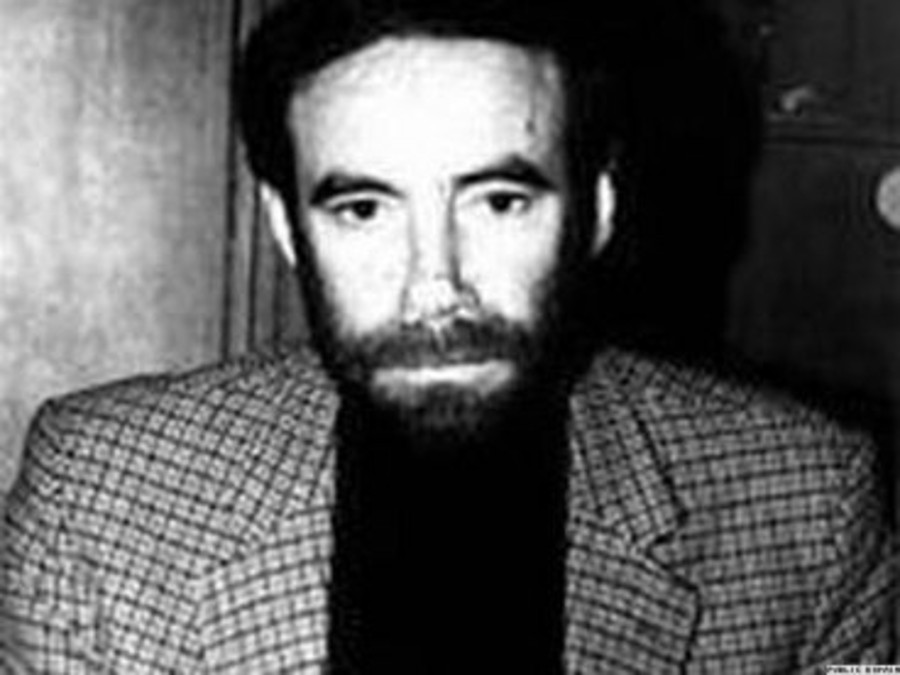
The Commission for Investigating Murders of Journalists has again requested that the Special Prosecutor's Office for Organised Crime take over responsibility for the case of the murder of journalist Milan Pantić, a correspondent of national daily newspaper Večernji novosti from the city of Jagodina, which occurred on 11th June 2001.
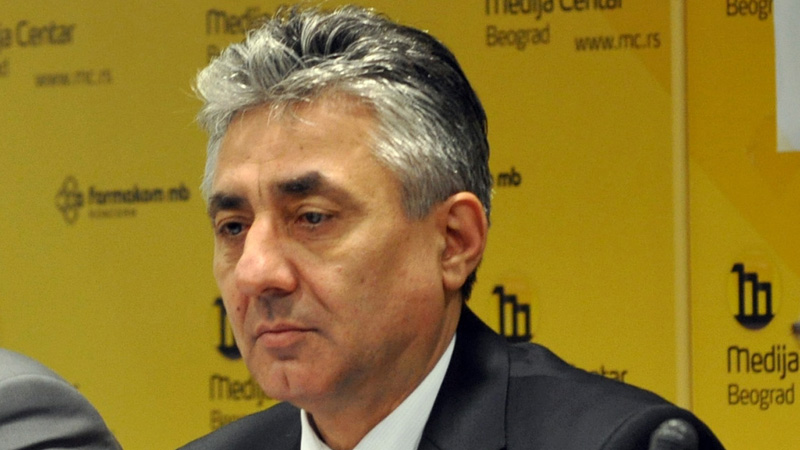
At the trial for the December 2018 arson attack on the house of journalist Milan Jovanović, the lawyers of the main defendant, Dragoljub Simonovic, a former president of the Belgrade suburban municipality of Grocka and a senior official of the ruling SNS party, questioned the journalist's wife Jela Deljanin in detail about the night the house burned down, but also about every item of furniture that she reported as being damaged in the fire.
IPI backs latest call for Special Prosecutor's Office to take over case
More than 90 percent of the cases in world statistics say that the murder of a journalist is not solved, the murder is not punished, perpetrator is not brought to justice... Somehow, it turns out that killing a journalist is the cheapest form of censorship.
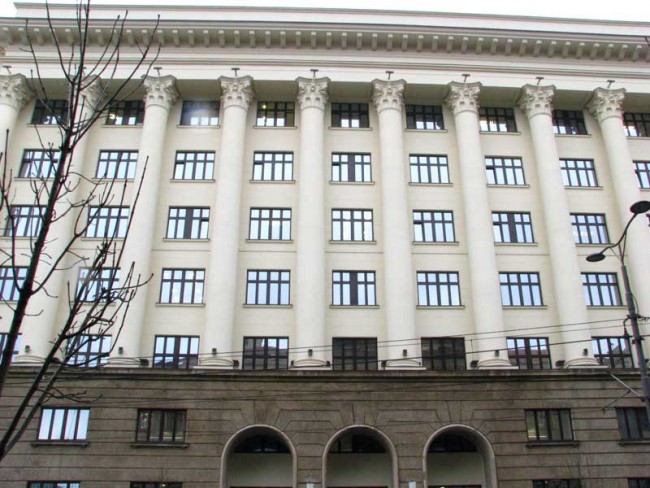
Next month will see the Appellate Court in Belgrade launch the process of considering appeals against the first-instance verdict for the murder of journalist and publisher Slavko Ćuruvija.

A criminal charge has been filed with the First Basic Public Prosecutor's Office in Belgrade against an as-yet-unnamed person due to the harassing of TV N1 journalist Dušan Mlađenović.
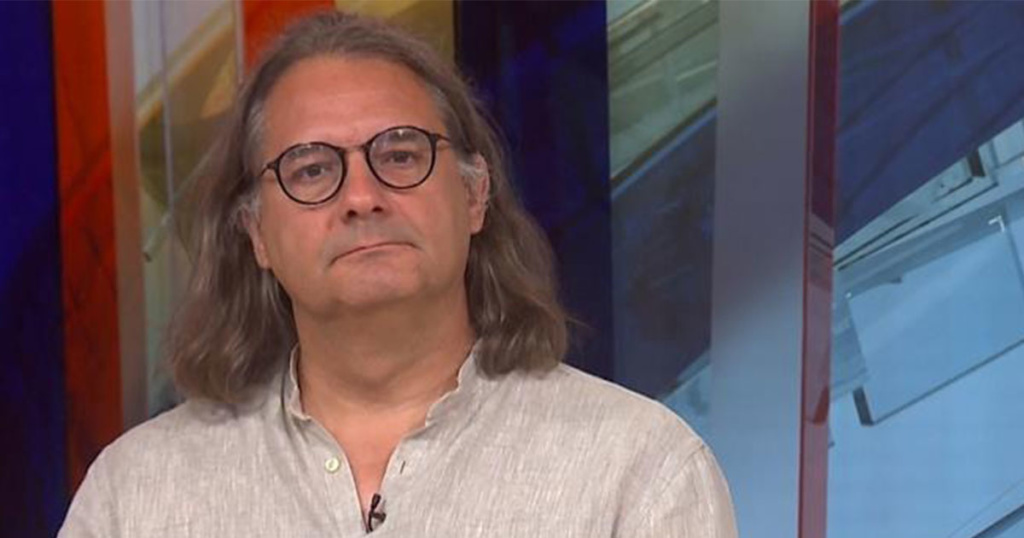
Nenad Živković, a journalist of local Pančevo-based portal 'Pancevo.city', has filed a second lawsuit against Radio-Television Pančevo and its chief editor Jasmina Petković, this time for a series of featuees aired on this television channel in which he was dubbed a “student spy” and “an agent for Ustasha confrontations with Serbia”.
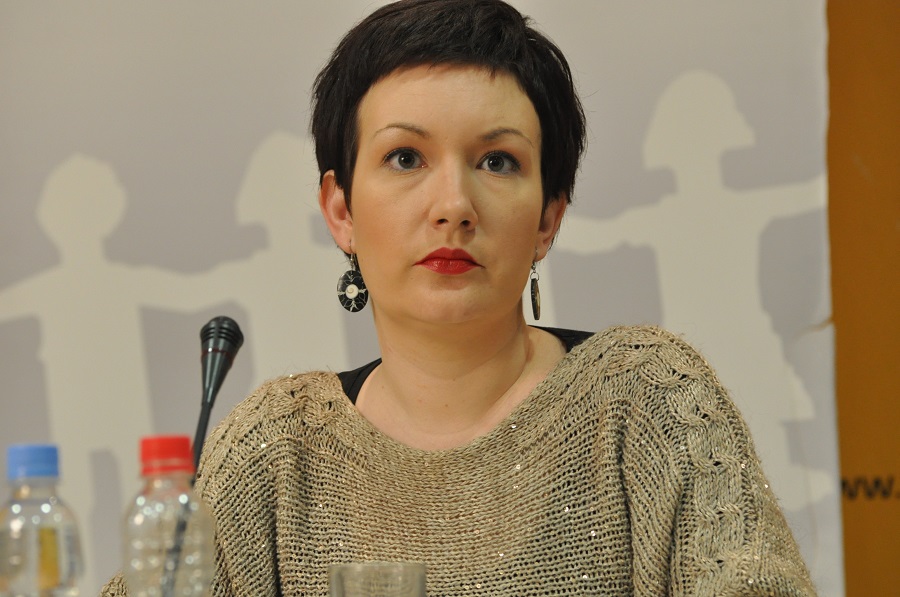
Jovana Gligorijević, assistant editor-in-chief of weekly news magazine Vreme, has been threatened via Instagram by an unknown individual, who described her as: “Human waste and the dregs of society” warning that “payment day is near”, which the journalist reported to the prosecution service.
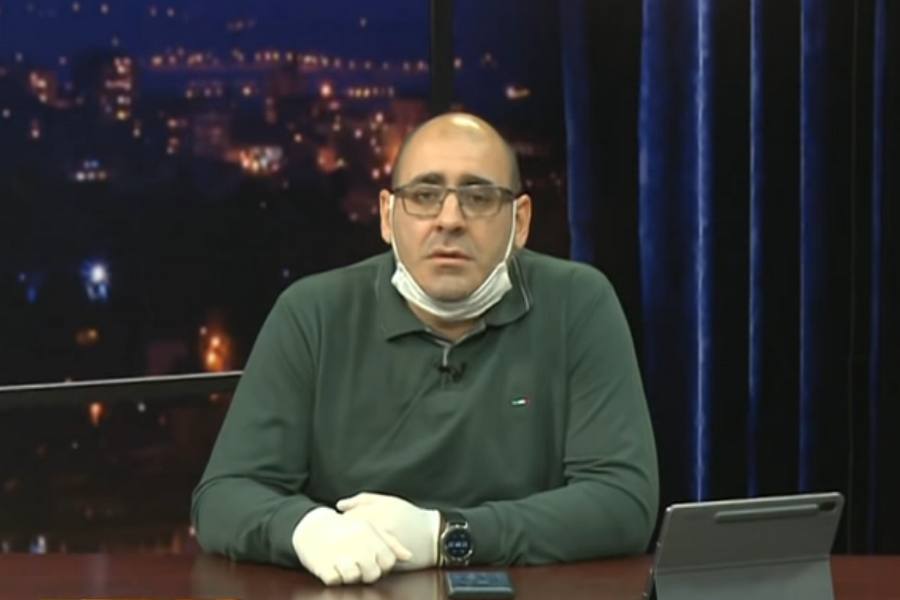
The Slavko Ćuruvija Foundation has filed a complaint with the Regulatory Body for Electronic Media, REM, against cable channel TV Kopernikus in response to its broadcasting of a show authored by MP and ruling Serbian Progressive Party official Vladimir Đukanović.

A Freedom House report has criticised the state of media freedom in Serbia, with the Serbian Government responding by criticising the report of Freedom House.
Earlier this month, the latest Freedom House report on the state of democracy in former communist countries concluded that Serbia, together with Montenegro and Hungary, can no longer be regarded as a democracy.

The social media giant last month shut down networks of accounts posting in Serbian, Bosnian and Hungarian, originating from Russia and Iran that aimed to manipulate the public, its April report says.
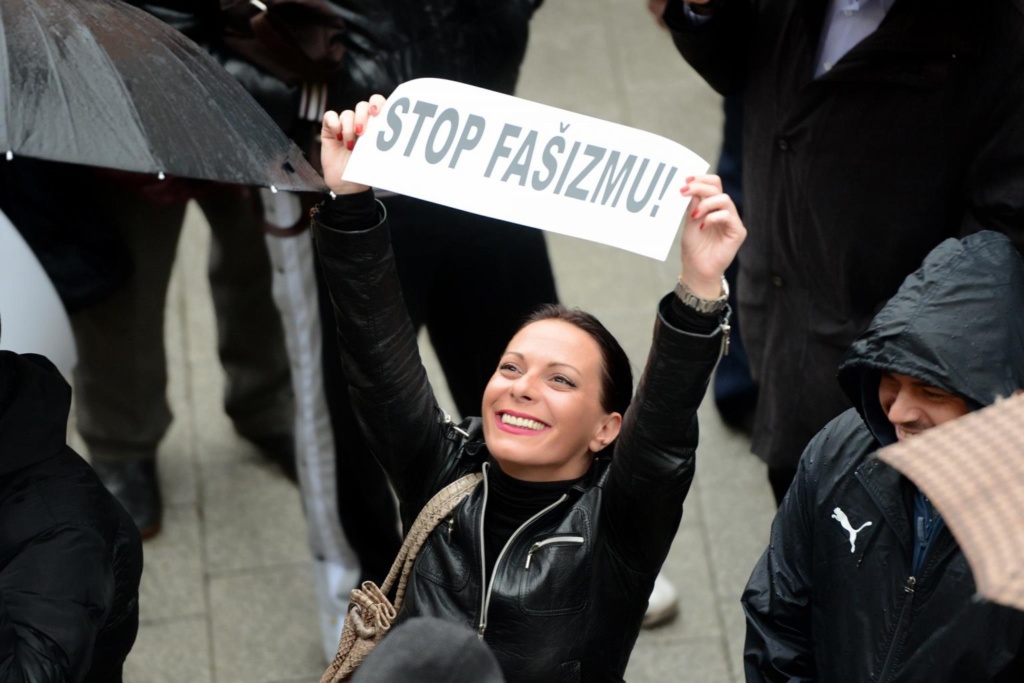
On April 1, Serbian police arrested Ana Lalić, a reporter for news website Nova.rs, just hours after she published a report on chaotic conditions in a local hospital.