



The Council of Europe (CoE) said in its annual press freedom report that the number of attacks on media, including death threats, is on the rise in Serbia, adding that “inflammatory rhetoric often comes from public officials”.
 „Oni su silovateljsko-sektaška lista”: Šta piše u izveštaju o TV Informer zbog kojeg je Vučićević napao analitičarku REM-a
  Dragojlo o intervjuu sa članom SNS: Marjanovićeva ispovest razara partokratiju SNS-a iz prve ruke
  Bojana Anđelić, izvršna urednica Nova.rs: Umorni smo, ali rešeni da istrajemo
  Ratko Femić: Dobili smo okupacionog, oktroisanog urednika
  Savet REM-a nije doneo nijednu odluku po prijavama protiv Informera
 The Council of Europe (CoE) said in its annual press freedom report that the number of attacks on media, including death threats, is on the rise in Serbia, adding that “inflammatory rhetoric often comes from public officials”.
Some governments, as well as other actors, abuse the sanitary emergency to violate press freedom. Their actions range from repressive laws, allowing arbitrary prosecutions, to hate campaigns against critical journalists, says Pavol Szalai, a new Head of European Union & Balkans Desk of Reporters Without Borders.

Journalists must be able to cover pandemic without fear of arrest, IPI says
Recent changes made in Serbia’s regulatory body for electronic media appear to be only cosmetic and designed to satisfy international officials while not really changing anything essential in the media landscape, media expert Smiljana Milinkov told N1 on Sunday.
Reporters Without Borders (RSF) calls on the Serbian government to stop supporting and instead publicly condemn attempts to intimidate N1, Serbia’s only major independent TV channel, whose journalists have been subjected to repeated, systematic defamatory attacks by the government and pro-government media in recent weeks.
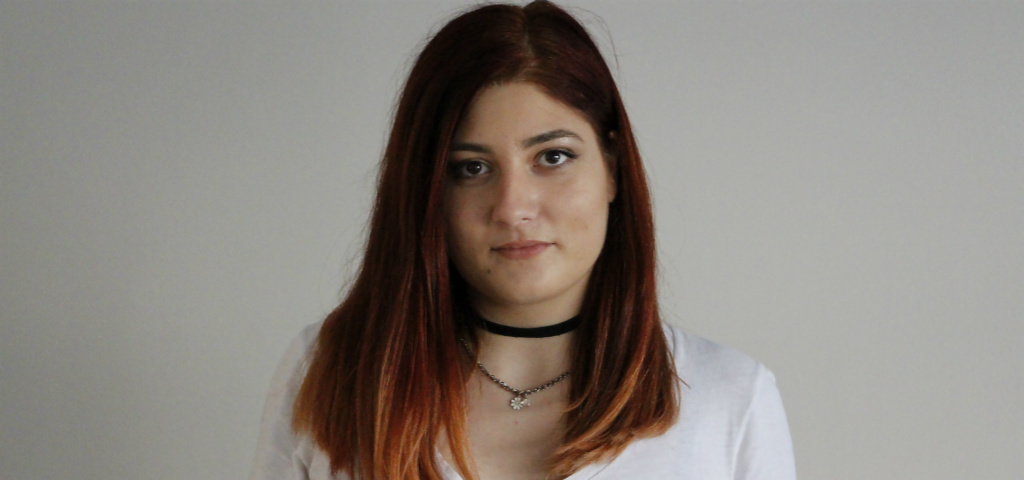
The family house of KRIK’s journalist Milica Vojinovic was broken into while she and her family were abroad. Her cousin found a ransacked home today. The case will be reported to the police and to a group for journalists’ safety.

Populists emphasize domestic isolationism and security over all else, including and especially freedom of the media and expression. This framing puts our safety and our freedoms at odds, when actually, we can't have one without the other, and positions journalists and media workers as a threat to that safety, says Jennifer Adams, international expert focused on protection of female journalists on the Internet
Journalists are increasingly the target of insults or threats from individuals or groups online, which can have physical impacts and should no longer be seen as separate from the offline world. The goal of the harassment? Censorship. And women bear the brunt of the abuse, which is usually gendered and sexualised. In this episode: Ceyda Karan, Turkish journalist, Marija Vucic, Serbian journalist with KRIK Crime and Corruption Reporting Network, Nighat Dad, lawyer, founder of the Digital Rights Foundation in Pakistan, and Viktorya Vilk, manager of special projects, Free Expression Programmes, PEN America
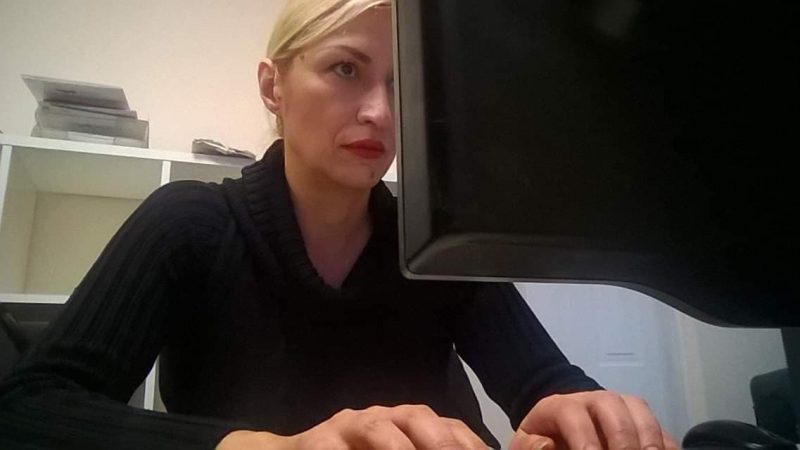
The journalist's news portal also came under hacker attacks
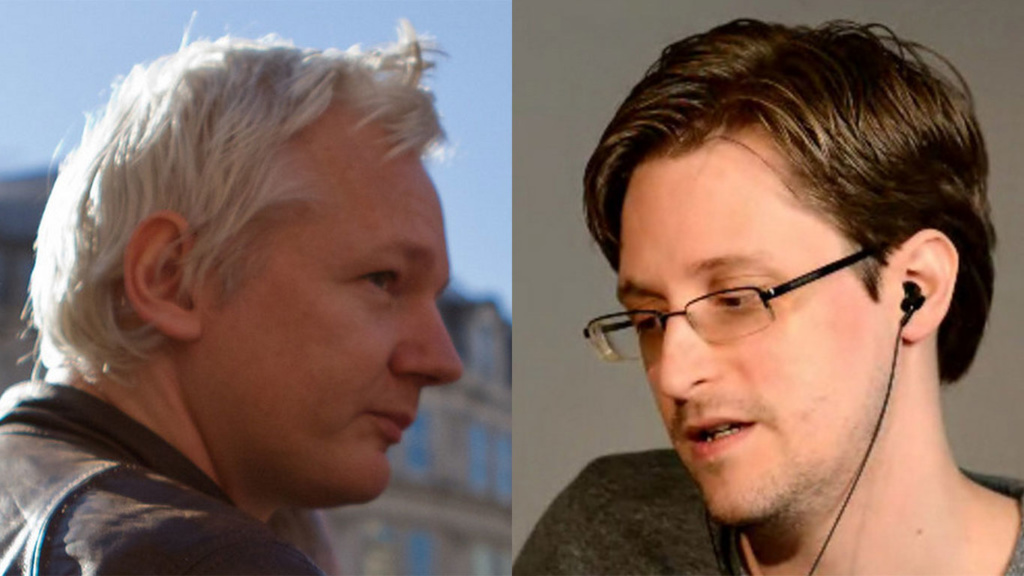
Both Julian Assange and Edward Snowden represent challenges for the U.S. system that guarantees freedom of expression. We asked Sandra Coliver, a world-renowned expert for freedom of media and expression, how this all may play out.
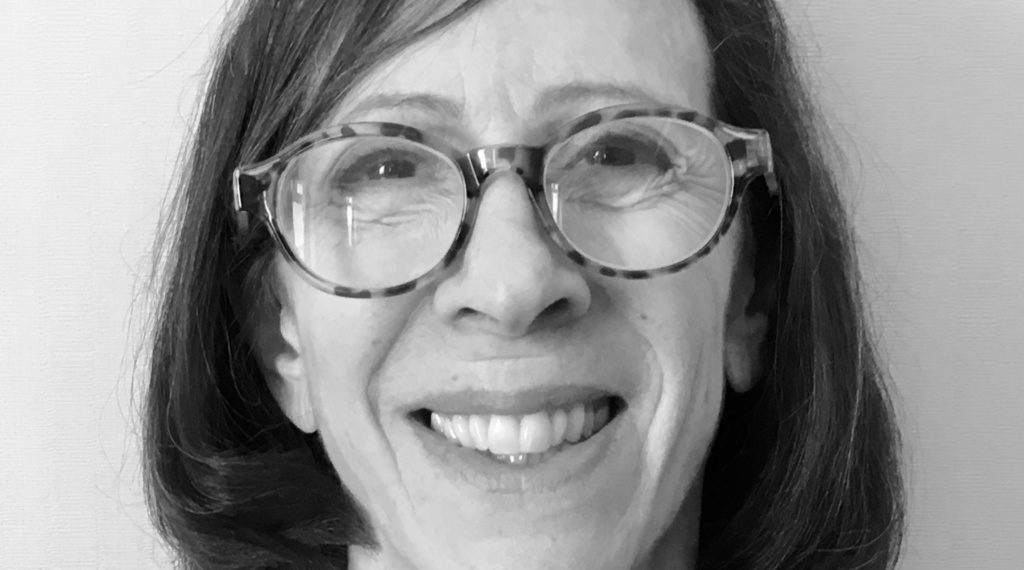
The argument could be made that the system right now is out of balance; that our tradition of tolerance doesn’t quite know what to do with this new situation where the President makes statements that are inflammatory, says Sandra Coliver for Cenzolovka. Coliver is a world-renowned expert for freedom of media and expression, and in this interview, she talks about an extraordinary protections of speech in the U.S. guaranteed by the First Amendment.
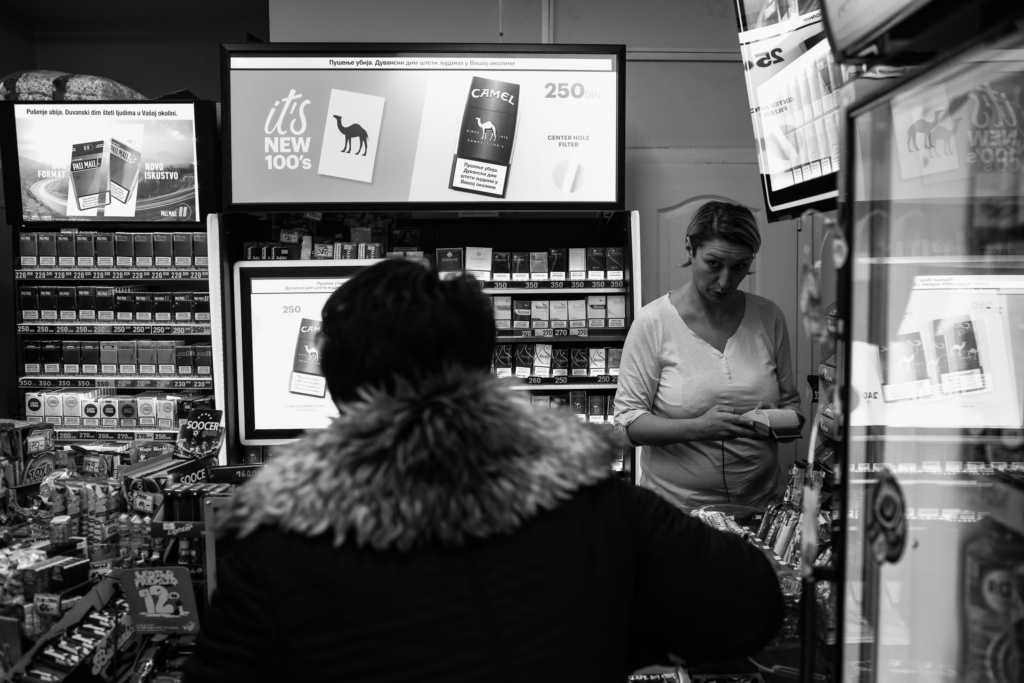
Verica Marinčić, a journalist of the portal 'Inđija cafe', from the town of the same name located between Novi Sad and Belgrade, has been attacked, followed and intimidated in the street where she lives and at work, which she reported to the police.
Dragoljub Simonovic, former president of the Belgrade suburban municipality of Grocka and an official of the ruling Serbian Progressive Party (SNS), has sued Željko Matorčević, editor of local portal Zig info, for a ninth time.
Lawyers of television company N1 have submitted a criminal complaint to the Higher Public Prosecution Office in Belgrade's Department for Combatting High-Tech Crime against Deputy Belgrade Mayor Goran Vesić, who they accuse of having committed the criminal act of violating the confidentiality of letters and other shipments.
The owner of N1, one of the few remaining mainstream independent media outlets in Serbia, says media plurality in the EU accession candidate country is subject to “slow strangulation," the Beta news agency carried on Monday an interview intellinews.com had with Aleksandra Subotic, the United Group CEO.
Media companies in Serbia are finding it increasingly difficult to do their job, with journalists often dubbed “traitors” and “foreign mercenaries”, while President Aleksandar Vučić and the Serbian government are following in the footsteps of Hungary and its Prime Minister Viktor Orbán, according to the report “Freedom and the media: A Downward Spiral”. Freedom House also adds that there has been a noticeable decline in media freedom since Vučić came to power.
TV Pančevo has broadcast in its programme a feature in which it repeated accusations dating back three months, directed against pancevo.city portal journalist Nenad Živković.
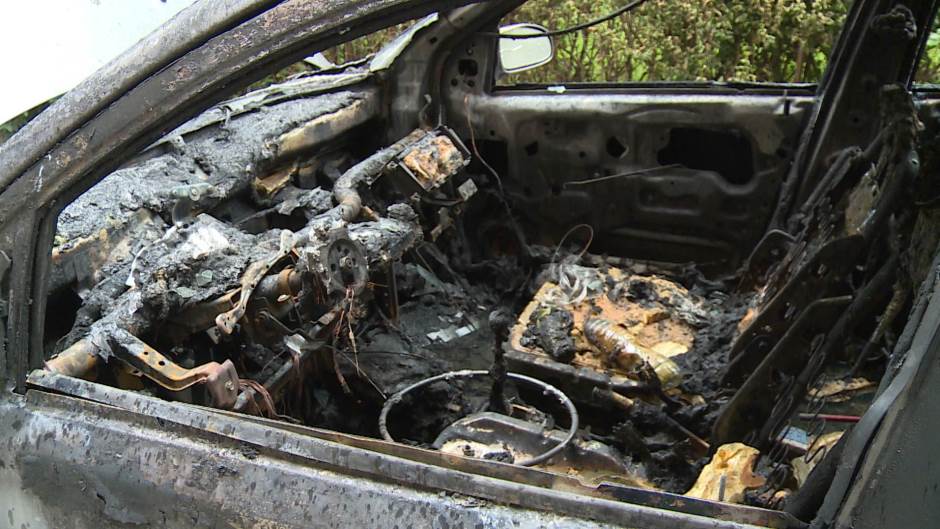
Dušan Ostojić, a civic activist and editor of the portal aleksinac.net from Aleksinac, a town near Niš, said after his car was recently firebombed that he would almost certainly give up journalism, which he deals with as a hobby, because the message he received in the form of the burning of his car was completely clear to him.
The trial against indictees accused of initiating, organising and participating in the firebombing of the Belgrade house of journalist Milan Jovanović has begun, five months after the journalist of local portal Žig info barely escaped the aforementioned fire alive.
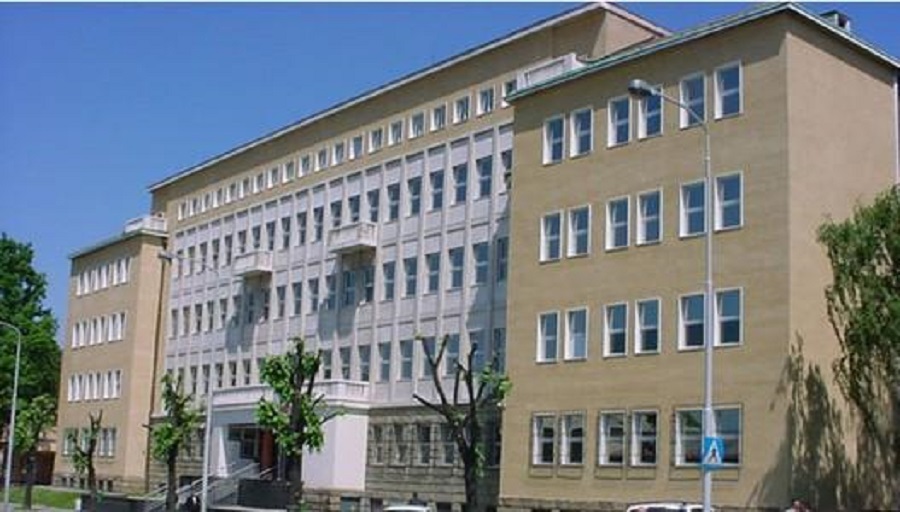
The Belgrade Appellate Court has rejected an appeal submitted by the Office of the Prosecutor for Organised Crime calling for Ratko Romić and Milan Radonjić, both convicted in the first instance of murdering journalist Slavko Ćuruvija, to be remanded into prison instead of remaining under house arrest, with them now having been detained at home for almost two years.